
Repairs on tank heaters
A tank heater with no hot water, a leaking valve or a failed part may be repairable. The plumber tells you whether a repair makes sense or the tank has reached the end of its life.
A water heater that leaks, runs out too soon or has stopped heating can be repaired or replaced, and a new one can go in where there was none. Describe what the heater is doing, and a local plumber works out whether it is a repair or a swap.
Tank and tankless heaters are both covered, in Centennial and the cities around it, whether you need a repair or a new unit.
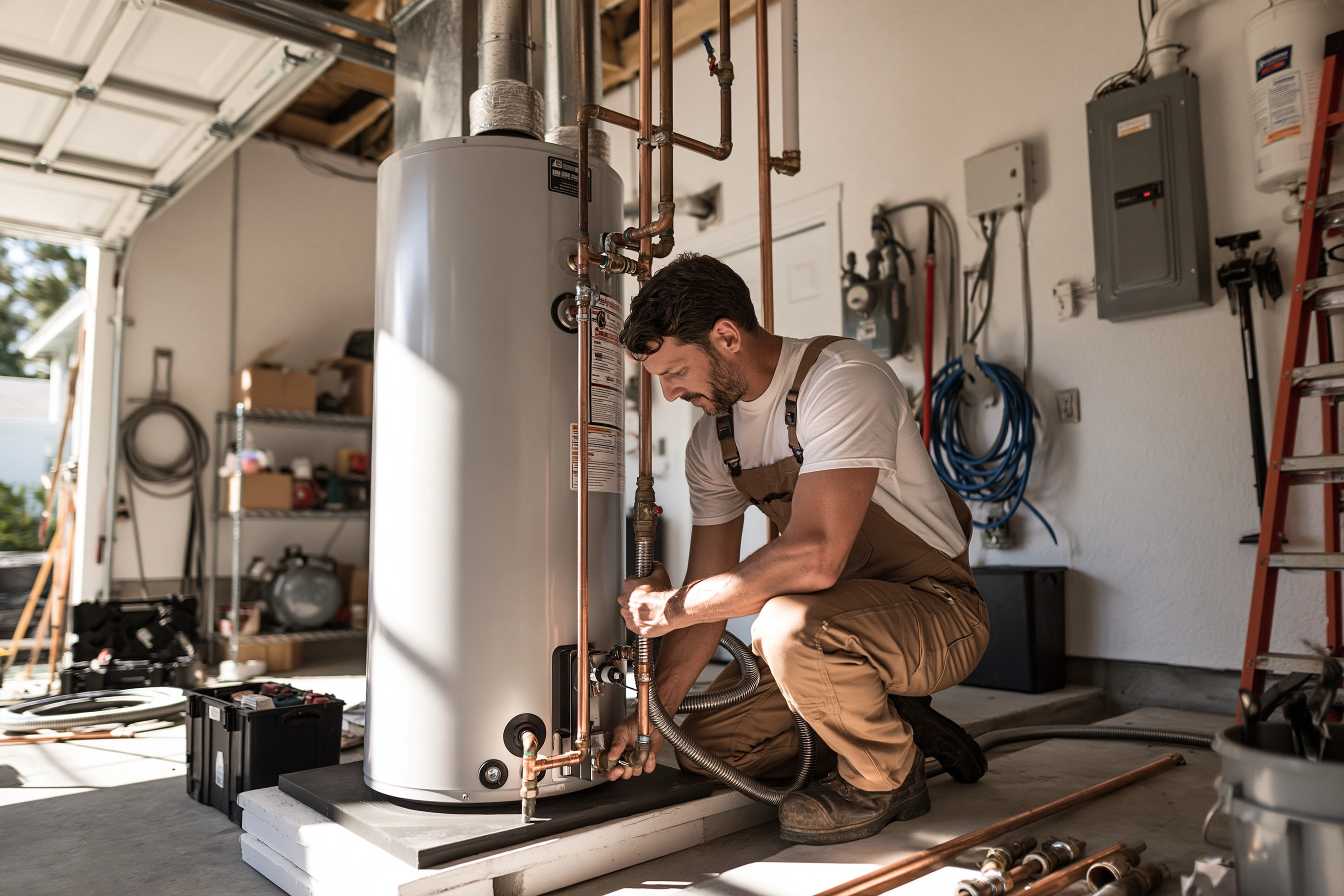
A tank heater with no hot water, a leaking valve or a failed part may be repairable. The plumber tells you whether a repair makes sense or the tank has reached the end of its life.
Replacement starts by sizing the new tank to the household’s hot-water use. The old tank comes out, the new one goes in, and the water and fuel or power are reconnected.
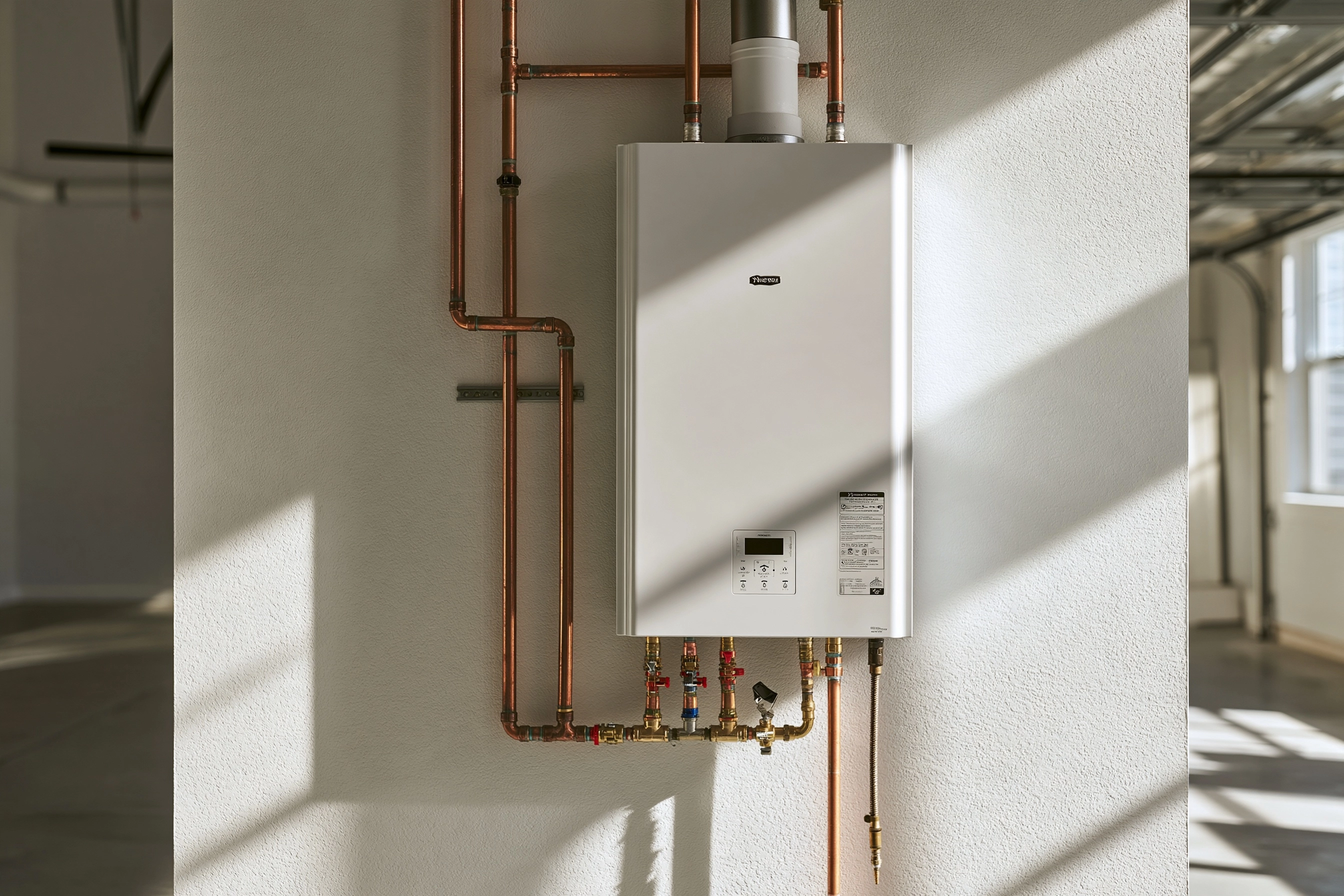
Tankless units make hot water on demand and are sized by flow, not stored gallons. A gas model needs suitable gas piping and venting, and an electric model needs a large electrical service.
A heater can be installed where none stood before, such as a garage or utility room. That means running water, fuel and venting to the new location.
Centennial’s building permit classifications list the replacement of existing water heaters like for like as a One-Stop permit. Colorado’s State Plumbing Board says water heater installations or replacements require a licensed plumber working for a registered plumbing contractor, along with permits and inspections by the authority having jurisdiction.
Size starts with how many people live in the house and how many hot-water uses run in the same busy hour. The water heater size calculator takes those two numbers and returns a first-hour rating, a tank size and the flow a tankless unit would need.
For a tankless unit, the tankless flow calculator takes your town, the showers running together and anything else on at the same time, and shows the class of unit that load calls for.
A serial number on the heater’s label carries the build date for the brands the decoder reads. The serial number decoder takes the brand, the type and the serial number, and returns the year the heater was built and its age.
Leaks around a heater are covered under hidden leaks, and pipes behind it are covered under whole-house repiping. The rest of what we do is on the start page.
Call us to discuss your current issue and how we can assist you. The call is free and you get a free, personalized estimate with no obligation. We're here to help.
Call (855) 321-3426